Letort Spring Garden Preserve
The Letort Spring Garden Preserve is a vibrant blend of natural beauty and cultural heritage. This restored landscape now protects the headwaters of the Letort Spring Run while offering trails, accessible pathways, and a peaceful place for visitors to connect with nature.
Explore the Preserve
The Letort Spring Garden Preserve is a public nature preserve featuring trails through a variety of upland and wetland habitats, as well as the historic Melester Barn and Spring House. A recently enhanced parking area is located at 1110 S. Spring Garden Street, Carlisle, PA 17013. An ADA-accessible trail from the parking meadow to the barn, and a partially-accessible trail from the barn to the Letort Nature Trail were recently opened in December of 2024. The preserve is also accessible from the Letort Regional Authority (LRA Trail), 2 miles south of the trailhead at LeTort Park in Carlisle and 1 mile from the parking area at Heiser’s Lane in South Middleton Township.
Letort Spring Garden History
The headwaters of the nationally-significant Letort Spring Run, a cradle of fly angling heritage, lies two miles south of Carlisle by way of the Letort Rail Trail. The Letort Spring Garden Preserve and surrounding land contain abundant limestone springs and seeps.
The consistently clean and cold water at this location has driven trade, commerce, and settlement for thousands of years. In the early 1700’s, James Le Tort, the first European settler, was drawn here to ‘Great Beaver Pond.’ Subsequent Scots-Irish settlers revered what they had deemed the ‘Bonny Brook’, the east branch of Letort Spring Run.
Early Carlisle residents came to the meadows surrounding the Letort to picnic, and enterprising locals developed the site as ‘Moore’s Grove’ and ‘Bonny Brook Trout Pond.’ Once the South Mountain Iron Company built a railroad through the site in 1868, it served as the leisure destination for Carlisle.
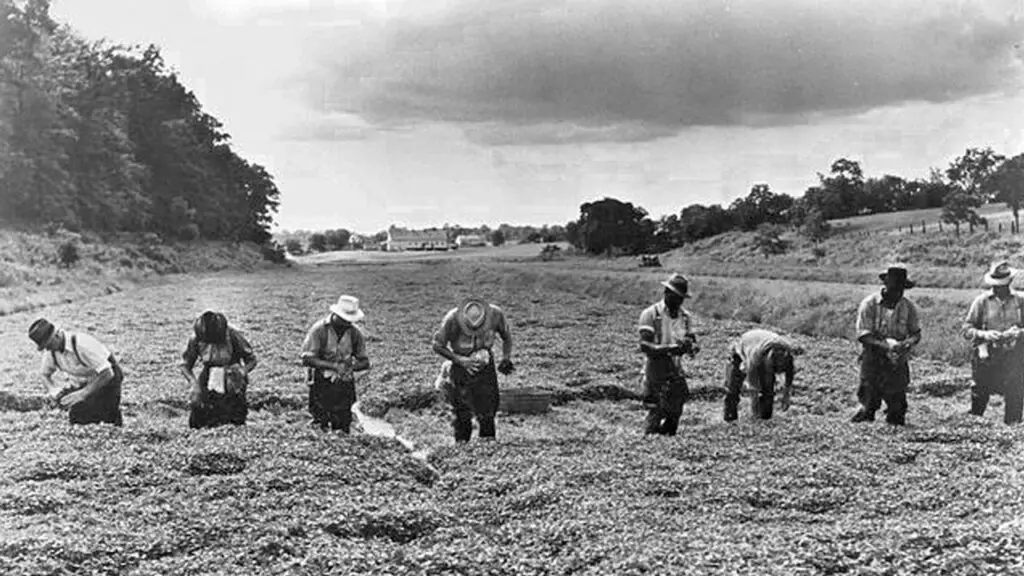
Beginning in 1892, the spring wetlands were converted to bogs for commerical watercress cultivation. Over 100 years, that process gradually intensified, transformed the landscape, excluded public use, and degrading the terrestrial and aquatic habitats. With the support of the community and partner organizations, Central Pennsylvania Conservancy is restoring natural habitats, returning the site to its former role as a public nature preserve.
Community Partnerships
Our work would not be complete without the support of our community, stewardship volunteers, and local organizations.
Here are some helpful links to connect with our partners: