As we approach our 45th year, we are looking out over more than 7,000 acres of forests, streams, and open spaces protected across south-central Pennsylvania. Every one of those acres is here because of supporters like you.
It all began in 1982 with a valley worth saving. A grassroots coalition of concerned citizens, hikers, hunters, and anglers came together with a shared hope: to keep Stony Creek Valley wild. PPL had proposed a hydroelectric facility that would have flooded the valley, along with its habitat and recreation areas, just 10 miles north of Harrisburg. The group, then known as the Stony Creek Valley Coalition, launched a community recycling program to fund the fight.
It took several years, but their persistence paid off. The planned construction was stopped, and the coalition helped secure Stony Creek’s place as the first protected waterway under the Pennsylvania Wild and Scenic Rivers Act. Today the valley, also known as St. Anthony’s Wilderness, spans 18,000 acres managed by the PA Game Commission, and it remains open for wildlife to thrive and for people to explore.
After this initial land protection success, members of CPC went on to complete numerous high-impact projects across the south-central Pennsylvania region, such as:
- In 1997, CPC protected over 600 acres of forested ridge land in Huntingdon County, securing public access to an iconic trail called “Thousand Steps” and substantially expanding State Game Lands 071.
- In 2006 and 2018, CPC acquired roughly 135 acres on the Kittatinny Ridge, locally known as Blue Mountain, to connect local Hocker Park with the Boyd Big Tree Preserve Conservation Area – establishing a new access point for the popular nature preserve in Dauphin County.
- In 2024, with support from local and state partners, CPC acquired 906 acres on South Mountain which will soon be added to Michaux State Forest, protecting wildlife habitat and expanding local recreation with miles of new trails to enjoy.
These are just a few of the great projects which CPC’s supporters have made possible.
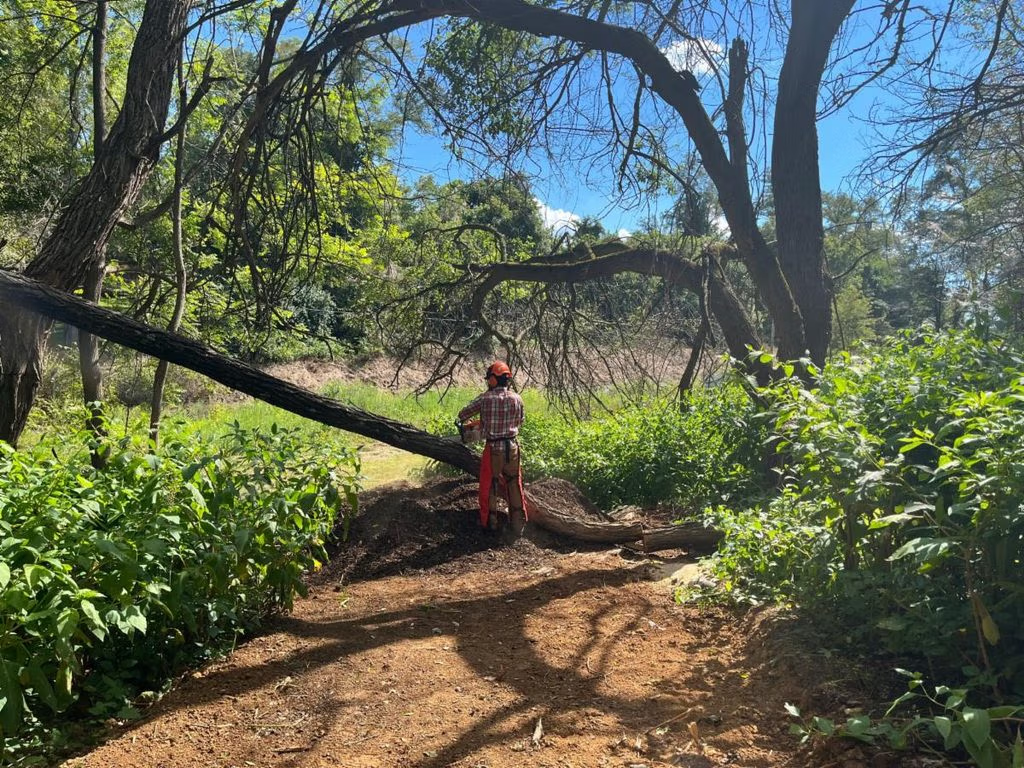
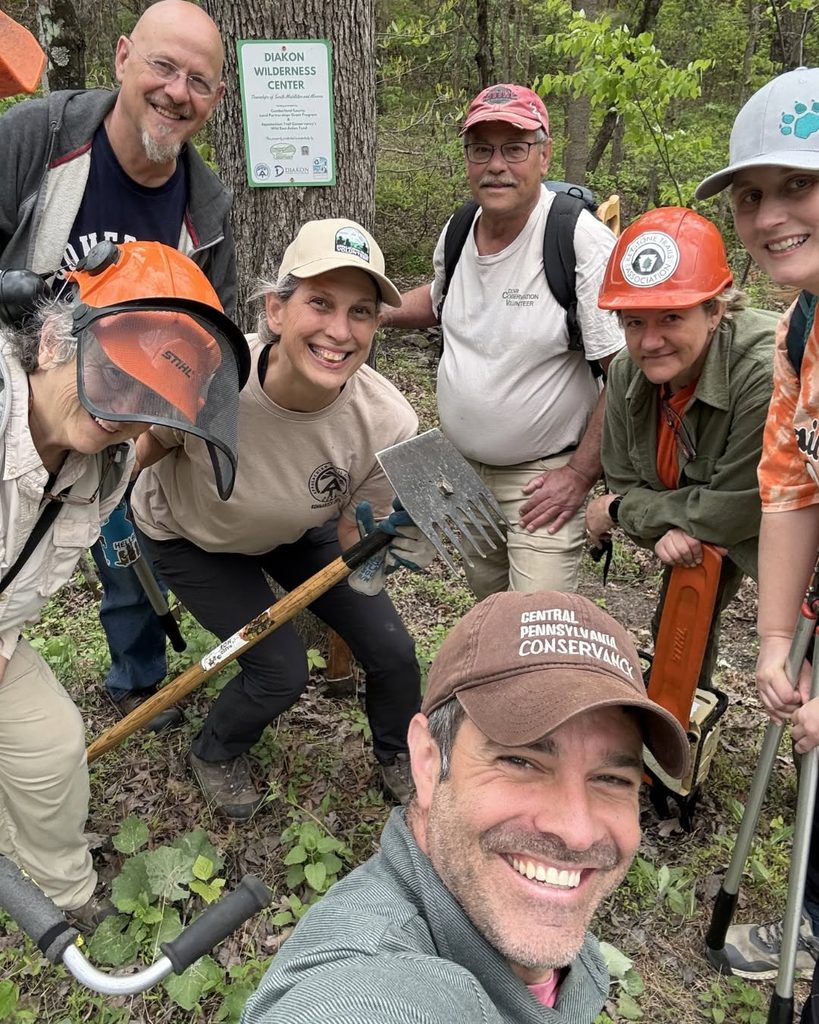
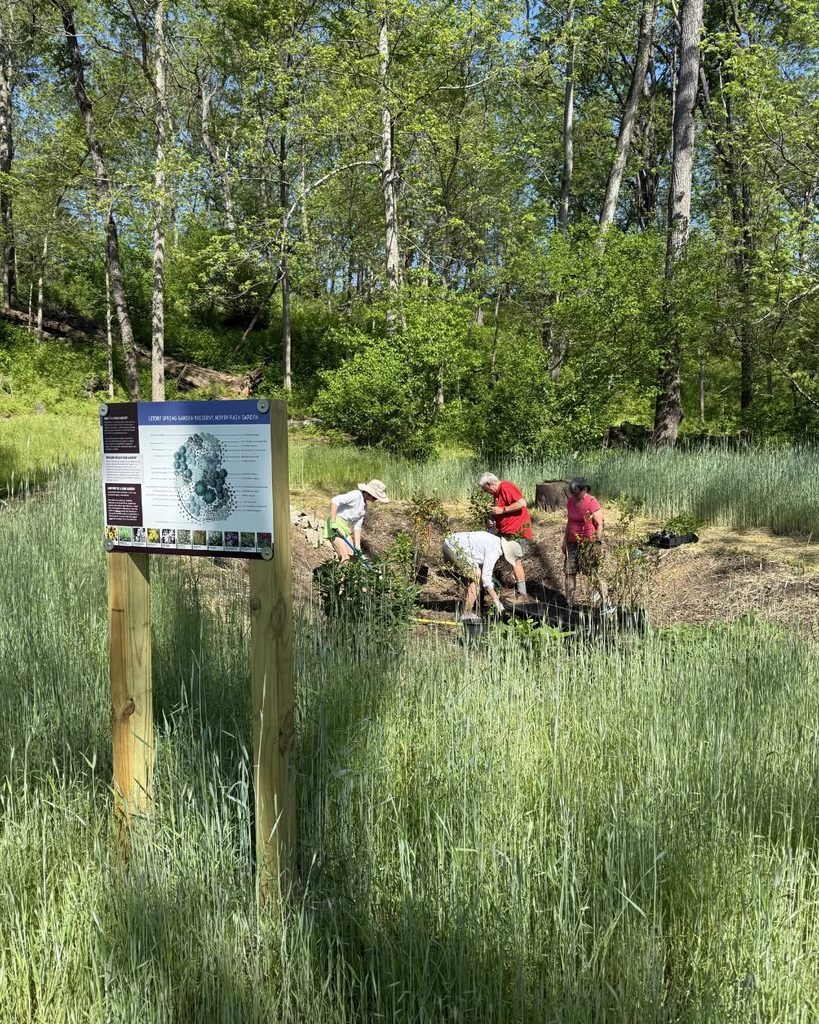
At CPC, our commitment to responsible stewardship extends far beyond the day a property is protected. Long-term conservation success depends on diligent monitoring, strong relationships with landowners, and proactive management of the lands entrusted to our care.
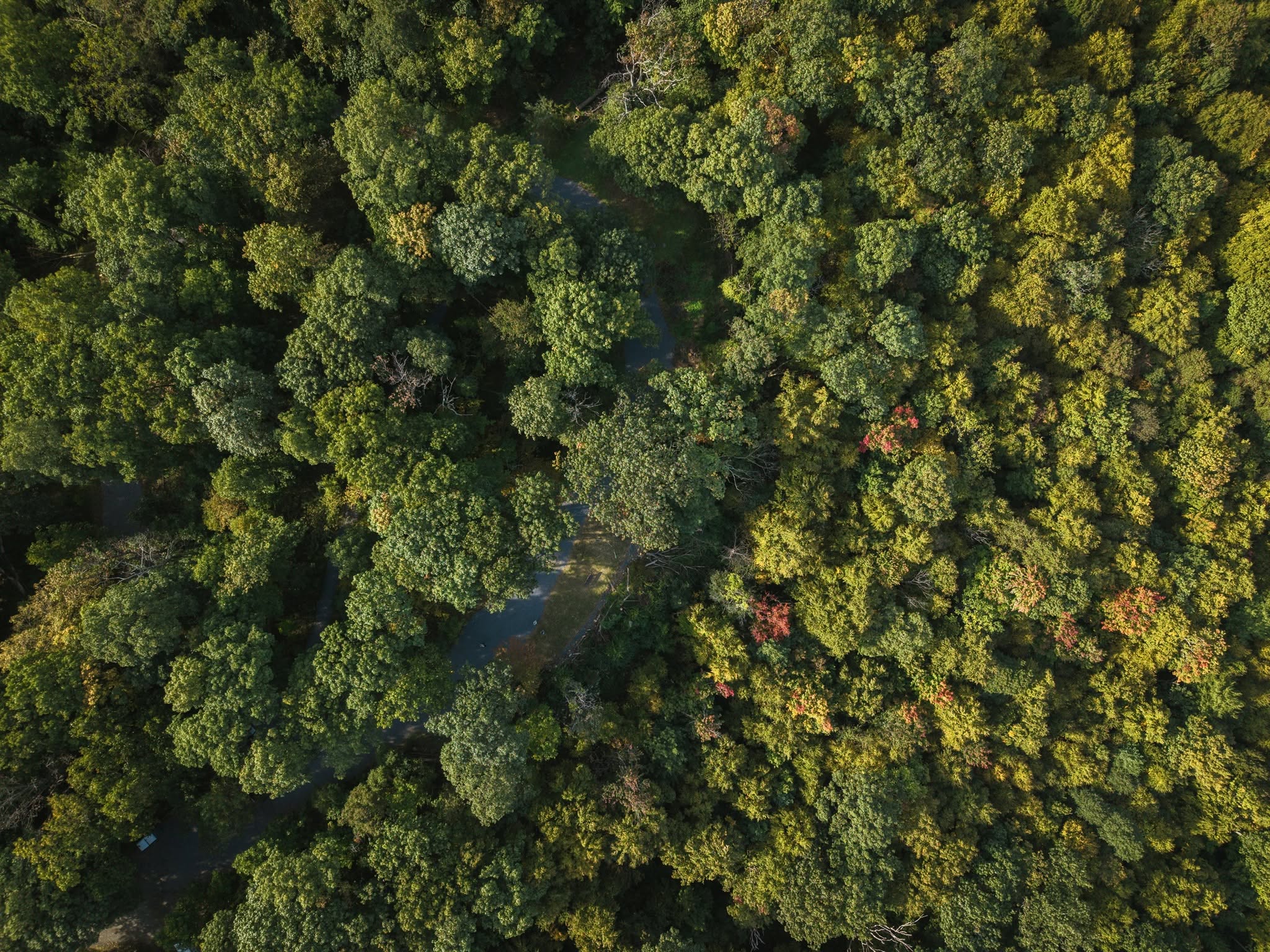
Remote satellite monitoring has become an increasingly valuable tool for overseeing both conservation easements and fee simple properties. By providing regular, landscape-scale imagery, satellite technology helps identify changes in land cover, potential encroachments, unauthorized clearing, or other activities that may affect a property’s conservation values. This allows Conservancy staff to respond more efficiently and focus field visits where they are most needed.
For our fee simple nature preserves, remote monitoring complements another essential stewardship practice: clear and visible boundary marking. Well-marked boundaries help visitors, neighbors, and contractors understand where protected lands begin and end, reducing the risk of accidental trespass, timber harvesting, or other unintended impacts. Together, satellite monitoring and boundary maintenance provide a comprehensive approach to safeguarding conservation investments.
These tools also support effective landowner outreach. By maintaining regular communication and sharing observations gathered through monitoring efforts, we can work collaboratively with landowners to address concerns, celebrate good stewardship practices, and ensure that conservation goals continue to be met over time.
As conservation challenges evolve, so too must the methods used to protect our region’s natural resources. By combining advanced technology with strong community relationships and on-the-ground stewardship, we are continuing our commitment to preserving the lands, waters, and habitats that make south-central Pennsylvania a special place for future generations.
The next chapter is full of promise. Under the leadership of Executive Director Peggy Fogarty, we have invested in strengthening our organizational capacity so that every dollar does more to advance our mission of acquiring, preserving, and protecting natural lands in south-central Pennsylvania. While this evolution is ongoing, it has already led us to establish priority service areas for new land protection projects, allowing more focused and data-driven outreach to landowners and stakeholders. We are maximizing our impact by coordinating with partners to target recognized conservation priorities like our region’s state-designated Conservation Landscapes, the Kittatinny Ridge and South Mountain; the Chesapeake Bay watershed, which includes our cherished waterways and their tributaries; and our renowned trail corridors, including the National Appalachian Scenic Trail and the Tuscarora Trail.
As our Conservancy develops for greater focus and efficacy, we are also expanding our strategic partnerships with local municipalities so that we can maximize conservation planning at all levels in our landscape. Furthermore, in continuing our commitment to responsible and well-informed stewardship practices on our protected properties, we are empowering community members to understand and engage with conservation efforts directly through our monthly hikes and planned expansion to our volunteer programming. Caring for our landscape takes all of us, and the need to protect and preserve our precious natural lands is only growing.
Together, we can carry this work forward.